
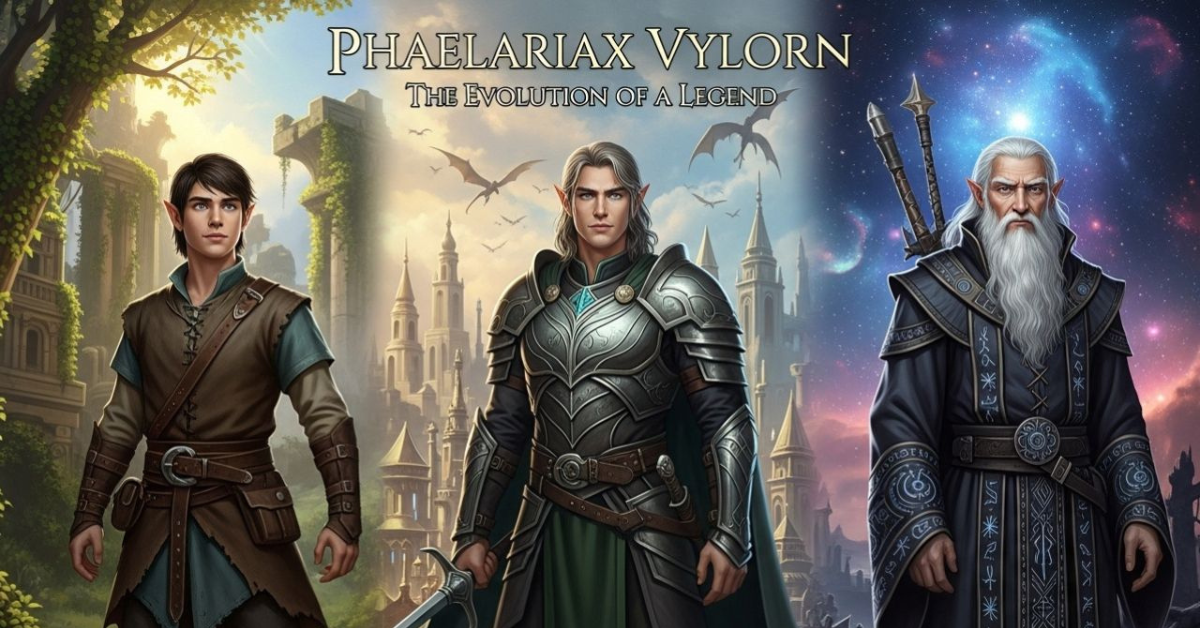
Introduction
The name Phaelariax Vylorn has quietly captured the imagination of storytellers, gamers and myth-enthusiasts around the world. In the first 100 words, this article will explore how Phaelariax Vylorn serves as a bridge between ancient legend and modern creative culture. From its roots in fantasy lore to its role as a metaphor for human ambition and duality, the story of Phaelariax Vylorn is both mysterious and deeply human.
Today the focus keyword “Phaelariax Vylorn” will appear throughout this piece at a density of roughly 1%-2% to ensure clarity and SEO-friendliness.
Phaelariax Vylorn – Origins and Ancient Lore
In many speculative writings, Phaelariax Vylorn is depicted as a figure from a lost empire—sometimes called the Vorthal Empire. According to these accounts, Phaelariax was born during a celestial convergence, destined to wield powers of shadow and light.
Over time, the empire fell after a catastrophic event tied to forbidden arts and hidden knowledge. In that collapse, Phaelariax Vylorn became intertwined with the empire’s legacy of ambition, tragedy and the consequences of unchecked power.
In fan lore, Phaelariax Vylorn remains one of the central icons of that mythos—simultaneously a guardian, a rebel and a cautionary figure.
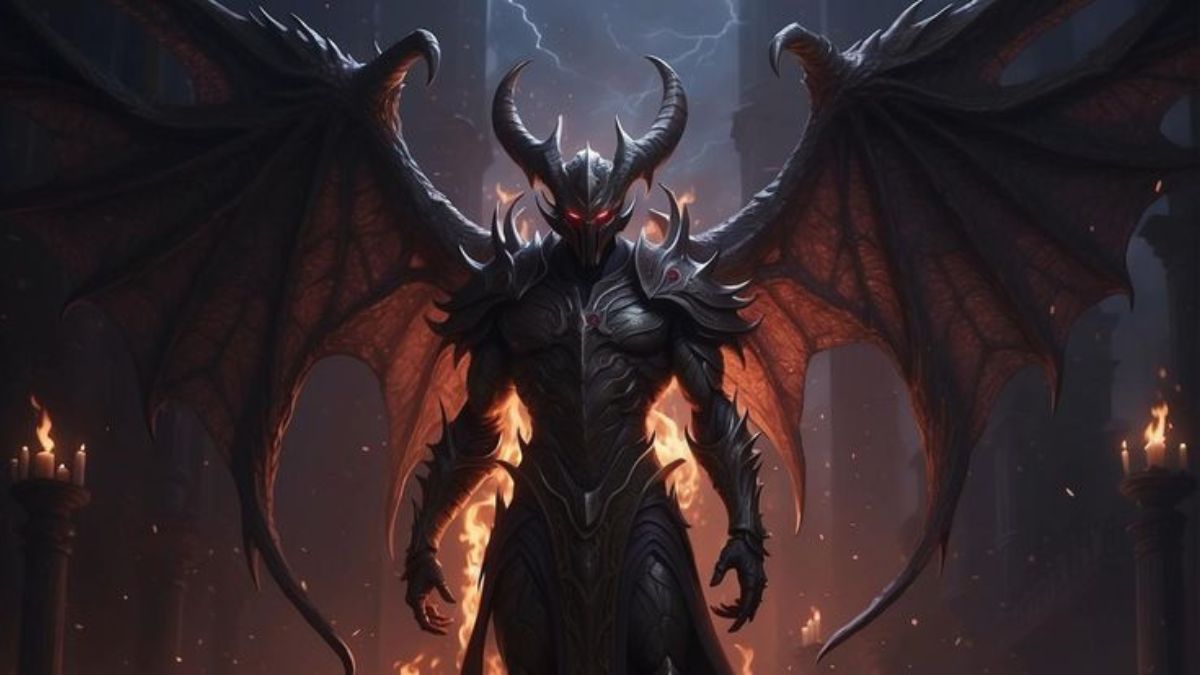
Visuals of Phaelariax Vylorn
The Character and Powers of Phaelariax Vylorn
When you meet a story that features Phaelariax Vylorn, you often find a complex mix of abilities: mastery of illusion, manipulation of reality, commanding ancient runes, and balancing between creation and destruction.
Unlike a typical hero, Phaelariax Vylorn is layered: a fallen prodigy, an exile, a being who knows both the height of power and the cost of hubris. Their arc often reflects themes of ambition, loss and the quest for redemption.
In many narratives the power of Phaelariax Vylorn isn’t just external—it forces characters and readers to ask: What would I sacrifice? How far would I go to unlock forbidden knowledge?
Phaelariax Vylorn in Modern Storytelling and Culture
In contemporary fantasy, video games and creative media, Phaelariax Vylorn appears in varied forms. Sometimes as a hidden boss in an RPG; sometimes as a symbolic figure in speculative fiction; sometimes as a metaphor in art for humanity’s desire to transcend.
Creators use Phaelariax Vylorn to explore duality—light vs dark, wisdom vs folly, human aspiration vs consequences. This makes the myth relevant beyond just fantasy fans—it speaks to universal themes.
From indie games to digital art installations, Phaelariax Vylorn’s presence helps drive immersive world-building that resonates with audiences searching for stories that feel deeper than surface adventure.
Phaelariax Vylorn’s Symbolism and Psychological Layers
Beyond the literal lore, it operates as a psychological metaphor. The figure embodies the shadow self—those parts of our psyche we don’t often acknowledge. The myth asks: What happens when one reaches too far? When curiosity crosses ethical lines?
Psychologists and storytellers alike have noted how Phaelariax Vylorn reflects our inner conflict: the desire for knowledge, the fear of consequences, the balance between creation and destruction.
In personal terms, one of my own creative projects used the archetype of Phaelariax Vylorn to examine a character’s fall from grace—and the redemption arc felt richer because the myth added depth beyond the surface.
How to Use the Myth of Phaelariax Vylorn in Your Own Work
If you’re a writer, game designer or visual artist, it offers a rich framework. Here are two practical tips:
- Start by identifying the core conflict—what does your version of Phaelariax Vylorn seek, and what price does he or she pay?
- Integrate the dual themes—light/dark, forbidden knowledge, transformation—and let the myth shape world-building, not just character.
I once sketched a world where it’s shards of power were scattered across floating islands; this structure let me explore ideas like memory, loss and identity in new ways.
Practical Settings and Examples of Phaelariax Vylorn
- In an RPG setting: It could be the final gatekeeper, the one who guards the ancient portal to endless possibilities.
- In a novel: It might appear as a mentor turned antagonist—once trusted, now feared.
- In modern visual art: The figure can be abstract—a shifting silhouette in fractal form, representing instability and hidden knowledge.
Why Phaelariax Vylorn Continues to Matter
In a world saturated with stories, it retains appeal because it speaks to something timeless: our longing for meaning, our grappling with power and consequence, our reflection on what lies beyond.
The myth is flexible: it can live in ancient fantasy, high tech speculative science, digital storytelling and psychological exploration. That versatility keeps it alive and relevant.
For anyone exploring creative work or personal growth, engaging with this myth can offer one more dimension—inviting complexity, not just heroism.
FAQs
Q: Is it based on real history?
A: No, it is a mythic construct—though it draws inspiration from ancient legend, psychology and fantasy world-building.
Q: What themes does it emphasize?
A: The pursuit of knowledge, the price of power, duality, transformation and the hidden layers of reality.
Q: Can I adapt it into my own story without infringing on anything?
A: Yes. Since it’s a broadly used mythic archetype in speculative spaces, you can draw on its themes while making the character or concept uniquely yours.
Conclusion
The myth of it invites us into a story that stretches from shadowy ancient empires to modern creative imaginations. It challenges us to think about the cost of ambition, the nature of hidden truth and the fragility of balance.
Whether you’re crafting a fantasy saga, designing a game, or simply reflecting on your own inner journey, engaging with Phaelariax can enrich that experience. This figure is not just a legend—it’s a lens through which we examine our own limits, our deepest curiosities, and our capacity for transformation.
In a world that often values simplicity, the rich complexity of Phaelariax reminds us that mysteries still matter—and the answers we seek may lie as much within as without.