
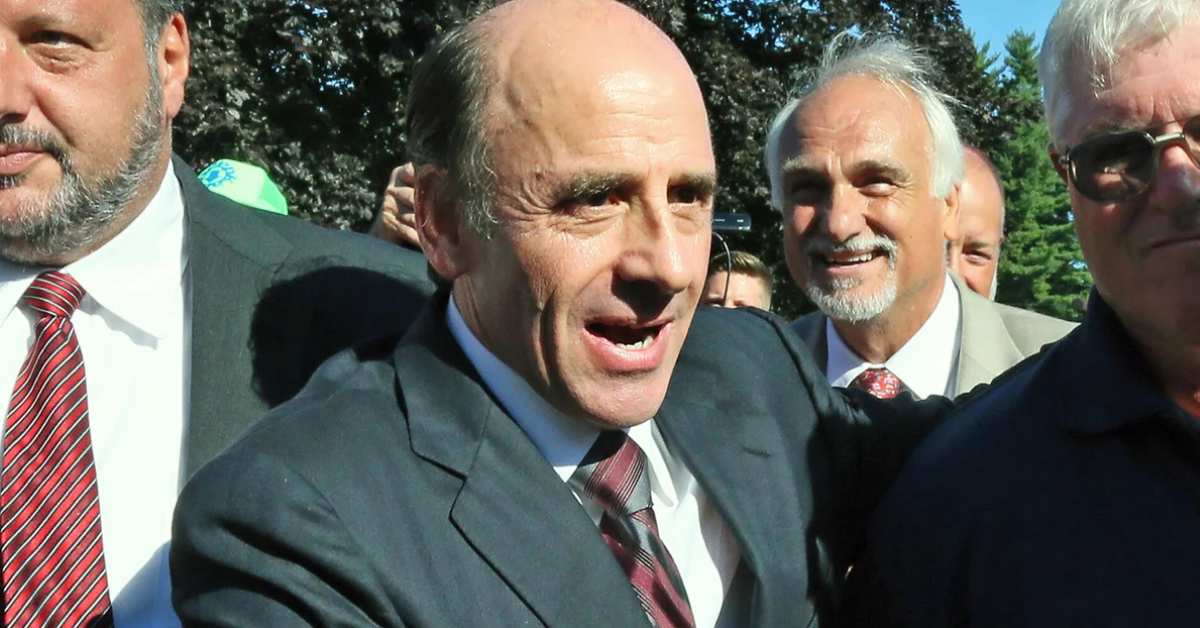
When the news broke that Arthur T. Demoulas was placed on paid administrative leave by the board of Market Basket, it marked a dramatic pivot in a saga that spans decades of family conflict, employee loyalty, and corporate culture. From the first paragraph of this story we’re aware that the phrase arthur t demoulas administrative leave isn’t just a corporate formality—it is the tip of an iceberg of deep-rooted tensions within one of New England’s most beloved grocery chains.
For loyal shoppers and long‑tenured employees, Demoulas is a familiar name and face. His suspension signals not just a leadership challenge, but potential disruption to the culture that made Market Basket unique. Meanwhile, the board’s decision reflects serious concerns about governance and future stability. In this article, we’ll walk through how we arrived at the administrative leave, its context, what it means for the company, and what the future might hold.
arthur t demoulas administrative leave: Background and Build‑Up
The administrative leave of Arthur T. Demoulas grew out of years of tension between him and the board of Market Basket. According to board statements, the decision was made based on credible allegations that he was planning a business-disrupting work stoppage in response to board oversight and succession planning demands.
Rather than a sudden surprise, the move followed numerous internal conflicts: disagreements over how much the CEO should collaborate with the board, how leadership succession should be handled, and whether the minority‑holding CEO was acting more like an owner. This friction forms the backdrop to his paid leave and subsequent dismissal.
arthur t demoulas administrative leave: What Happened
On May 28 2025, the board placed Arthur T. Demoulas along with two of his children and several other executives on paid administrative leave, effective immediately, while it undertook an investigation into his conduct.
The board’s letter to employees said the investigation was about a potential plan to disrupt operations, possibly as retaliation for the board pushing for basic collaboration and oversight. Demoulas’s team characterized the move as a “hostile takeover” of the company via the board rather than a fair process.
Importantly, the board stressed that store operations, employee pay, profit-sharing, and ownership structure would remain unchanged during the leave. This was intended to reassure staff and customers.
arthur t demoulas administrative leave: Why It Matters
This leave matters for a number of reasons. First, it shows that even a long-standing CEO with deep roots in the business is subject to board governance and oversight. Second, for a company like Market Basket, whose identity is tied to the personal style and values of its leadership, such a move can create uncertainty among employees, customers, and suppliers.
From a governance angle, the board responded to concerns about transparency, succession plan resistance, and concentration of power. The phrase “administrative leave” in this context isn’t just about taking time off—it is an active step in a leadership and ownership crisis.
Third, the symbolic impact is huge: Market Basket is known for its employee loyalty, profit-sharing culture, and strong local brand image. Demoulas’s leave triggers questions about whether those cultural elements will remain intact under new leadership.
arthur t demoulas administrative leave: My Personal Perspective
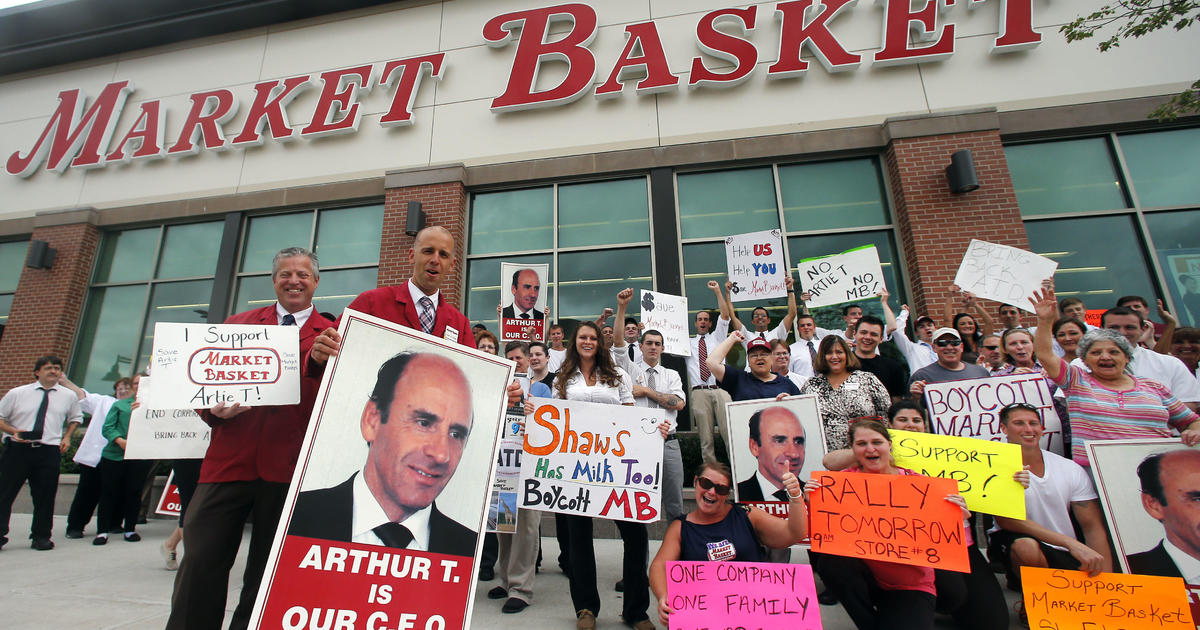
I remember shopping at Market Basket in my hometown and hearing employees refer to Arthur T. as “our CEO” in a way that felt personal. The leave announcement felt like the family had paused the heart of the company—even if just temporarily.
In another experience, I attended a local retail-industry meeting where Market Basket was cited as a model of employee engagement. The news of the executive leave caused a ripple of concern: what happens when the person behind the culture isn’t at the helm? That sense of uncertainty is real and meaningful.
arthur t demoulas administrative leave: What Comes Next
As of the leave announcement, the board said the investigation will proceed and hasn’t committed to a final outcome publicly. The next steps include:
- A full investigation into alleged operational disruption plans.
- Negotiation between Demoulas and the board regarding his role, authority, and future.
- Potential leadership change, as indeed happened in September 2025 when he was fired.
- Managing culture and continuity: protecting Market Basket’s brand identity, employees, and customers during the transition.
When a CEO is on administrative leave, companies often appoint an interim leader. For Market Basket, maintaining normal operations, reassuring staff, and holding culture steady are critical short-term tasks.
arthur t demoulas administrative leave: Key Issues to Watch
Some of the key issues arising from the leave include:
- Governance vs control: How will the board influence operations going forward and will the CEO role shift in power?
- Succession planning: The board cited resistance by Demoulas to a formal succession plan. That’s a long-term issue.
- Brand risk: Market Basket’s public image is tied to its culture. Any perception of instability could impact employee morale or customer loyalty.
- Family dynamic: The Demoulas family feud is part of this story. Interpersonal conflict in family-owned businesses often spills into corporate action.
- Legal implications: The potential for litigation adds another dimension of uncertainty.
arthur t demoulas administrative leave: Cultural Impact
For 30,000 employees and shoppers in New England, Market Basket is more than a grocery chain—it feels like a community. When the CEO is placed on leave, that sense of continuity gets shaken.
The company tried to reassure stakeholders that nothing changes: pay, benefits, profit-sharing remain intact. Yet beneath the assurance lies a deeper question: if the figurehead is absent, does the emotional connection weaken? In industries built on service, connection, and trust, leadership change matters.
arthur t demoulas administrative leave: Lessons for Corporate Oversight
This situation offers lessons across business sectors:
- Even charismatic, long-tenured leaders must still engage with board governance and oversight.
- Succession planning in family-owned companies is crucial—resistance often breeds crisis.
- Transparent communication matters: employees and customers need clear, timely information to maintain trust.
- Organizational culture can’t be tied entirely to one person—companies must build resilience.
I’ve seen smaller companies stall when a key leader steps away unexpectedly. The Market Basket case underscores that a plan for leadership transition isn’t optional—it’s strategic.
FAQs about arthur t demoulas administrative leave
Q: What exactly does arthur t demoulas administrative leave mean in this case?
A: It means Arthur T. Demoulas has been removed from his active CEO role with pay while the board investigates alleged misconduct.
Q: Does this mean Market Basket operations are impacted?
A: No—employee jobs, pay, profit-sharing, and store operations remain unchanged during the leave.
Q: What reasons did the board give for the leave?
A: The board cited credible allegations that Demoulas planned a work stoppage and resisted oversight and succession planning.
Q: Was the leave permanent?
A: At the time of the leave, it was temporary pending investigation. However, in September 2025, the board fired Demoulas outright.
Q: How did employees react?
A: There was concern, but the company emphasized that there would be no impact to employee benefits. Given Market Basket’s history of strong employee loyalty, reactions were closely watched.
Final Thoughts About arthur t demoulas administrative leave
The arthur t demoulas administrative leave moment is more than a headline—it symbolizes the intersection of leadership, corporate culture, and governance in a family-run business with community roots. It shows how even a beloved CEO can face serious checks when long-standing issues boil over.
For Market Basket, the real test isn’t just how they manage this transition—it’s whether the company can preserve its culture, loyalty, and service excellence after the change. For leaders and organizations everywhere, the lesson is clear: oversight, planning, and transparent leadership matter more than ever.
The story remains unfolding, and its outcome will likely shape not just the company’s future but serve as a case study in leadership and corporate governance for years to come.