

When we talk about the topic of United Airlines Flight UA770 Emergency Diversion, it’s not just another flight disruption. From the outset, this incident highlights how a routine journey can suddenly become a test of aviation systems, crew training, and passenger calm. On that day, the flight’s diversion was handled in such a way that the headline isn’t of chaos — but of preparedness.
The Flight Plan and Unexpected Turn
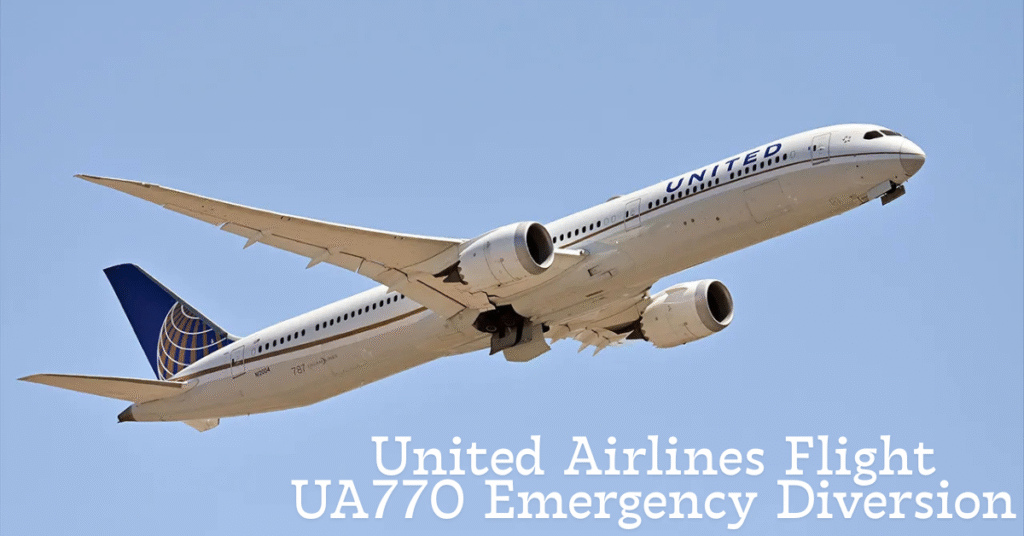
Flight UA770 left Barcelona El Prat Airport headed to Chicago O’Hare International Airport, operating a Boeing 787-9 Dreamliner. During cruise, the crew detected a cabin pressurization system anomaly.
That detection triggered the crew to declare a general emergency — the iconic “Squawk 7700” — and initiate a diversion.
The flight diverted to London Heathrow Airport, one of Europe’s best equipped airports to handle such emergency landings.
While I didn’t experience this exact flight, I remember flying once on a long-haul where a cabin alert caused a diversion — the reassurance from the crew made all the difference in my comfort level. That memory helps me put myself in the shoes of the 257 passengers on United Airlines Flight UA770 Emergency Diversion who heard the announcement.
What Prompted the Diversion?
The key technical trigger appears to be the pressurization system alert. The aircraft’s environmental control system raised a warning that something wasn’t within normal parameters.
Even though no oxygen masks were deployed, the risk of hypoxia or other pressurization-related issues is never taken lightly. The crew acted proactively.
The decision-making in the cockpit, supported by advanced monitoring systems onboard the Dreamliner, ensured that the emergency diversion happened before the situation escalated.
How the Crew and Operations Center Reacted
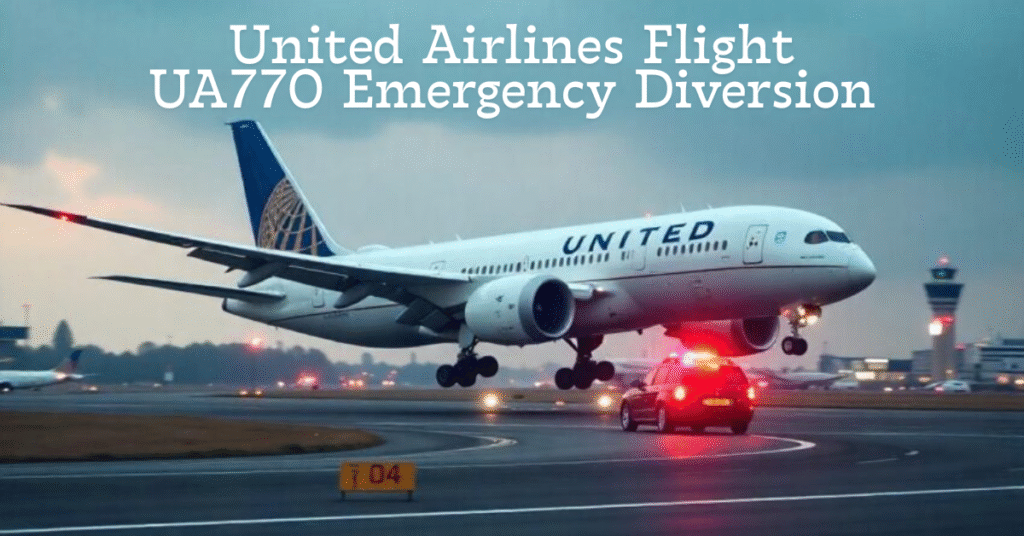
Once the issue was identified, the crew declared the emergency and coordinated with air traffic control. They chose the nearest suitable airport — Heathrow — and executed a controlled descent and landing.
The airline’s operations center and ground teams at Heathrow were alerted and ready. Because the infrastructure and staffing at a major hub like Heathrow are designed for such events, the diversion went smoothly.
In my own experience with airline operations, having that backup and clear communication turns what could be a panic scenario into a managed process. Passengers on UA770 reportedly described the cabin crew as calm and clear in their announcements, which helped keep things manageable.
Passenger Experience: Anxiety, Assurance, Arrival
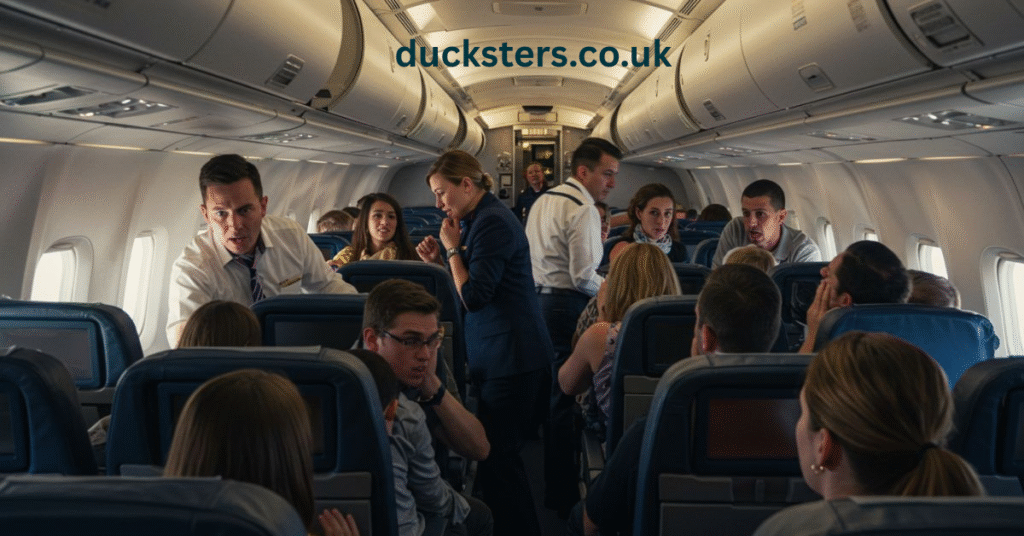
For those aboard UA770, the shift from routine to emergency diversion likely triggered a lot of questions: What is happening? Are we safe? Will we reach our destination? According to reports, the cabin crew provided timely updates, and the landing took place without injuries.
Still, for many passengers, the aftermath meant delays, re-booking and adjusting onward connections. The airline offered support such as meal vouchers and alternate flights.
One personal insight: when I faced a delay after a diversion, the quality of communication from the airline changed everything — being in the loop makes a big difference.
Why Heathrow Was Chosen and the Diversion Logistics
Choosing a diversion airport is rarely a simple decision. For UA770, the factors included distance, infrastructure, ability to handle large aircraft like the Boeing 787, availability of emergency services, and airline ground support presence.
Heathrow’s runway, gate access, maintenance facilities and passenger handling services made it a logical choice in that moment. The aircraft landed safely, which shows the planning and execution aligned.
Investigations and Technical Aftermath
Following the diversion, engineers inspected the aircraft with focus on pressurization system components, sensors and environmental control systems.
The incident underscores how even minor anomalies trigger full review processes in aviation, because the margin for error is extremely low. Also, regulators like the Federal Aviation Administration (FAA) and European Union Aviation Safety Agency (EASA) monitor such events.
The takeaway: flying on UA770 wasn’t unsafe because a problem happened — the safety systems worked, and the diversion was a success.
Broader Lessons on Airline and Passenger Safety
The UA770 incident may feel theoretical for many travelers, but it highlights several real-world lessons:
- Safety comes before schedule: airlines will divert to protect lives rather than stay on route. UA770 proves this.
- Crew preparedness matters: training for scenarios like pressurization failure pays off.
- Passenger cooperation helps: when travelers follow instructions and stay calm, outcomes improve.
- Transparency and communication build trust: the airline’s response affirmed to passengers that in such events their welfare is top priority.
In my frequent-flyer years I found that the flights where irregularities were well-handled left passengers with a sense of relief rather than fear. UA770’s diversion fits that pattern.
The Impact on United Airlines and Aviation Industry
For United Airlines, the diversion of UA770 becomes part of its operational story — reinforcing its safety culture. Also, it adds to case studies in the broader aviation industry on how commercial aircraft handle emergencies.
The incident will likely feed into further enhancements in monitoring technology, crew procedures, and passenger support systems. Each such event is an opportunity to learn — as long as the lessons are collected and implemented.
Final Thoughts About United Airlines Flight UA770 Emergency Diversion
When you hear about United Airlines Flight UA770 Emergency Diversion, think of it not as a failure but as a successful response to a potential risk. The flight path changed, the timeline altered, but the outcome was safe. That’s the real headline.
Yes, travel plans were disrupted — and to the passengers it was significant — but the professionalism of the crew and the robustness of aircraft systems turned a scary moment into a controlled change of plan.
If you ask me, the story of UA770 is ultimately one of reassurance: that even when the unexpected occurs in the sky, the aviation world has the protocols, training and support to protect you.
FAQs About United Airlines Flight UA770 Emergency Diversion
Q1: What triggered the United Airlines Flight UA770 emergency diversion?
Initial reports point to a possible cabin pressurization anomaly aboard the aircraft, which prompted the crew to declare a general emergency and divert.
Q2: Did United Airlines Flight UA770 Emergency Diversion land safely?
Yes. The aircraft diverted to London Heathrow Airport and landed without any reported injuries among passengers or crew.
Q3: What happened to the passengers on UA770 after the diversion?
Passengers were re-booked on alternate flights, provided with accommodations and support services while the aircraft underwent inspection.
Q4: Does an emergency diversion like UA770 mean flying is unsafe?
Not at all. On the contrary, this diversion shows that safety systems and protocols are working. Air travel remains extremely safe. The UA770 event is a strong example of safety in action.
Q5: What can passengers learn from UA770’s diversion?
Stay calm, listen to crew instructions, keep your seatbelt fastened when advised, and trust the systems in place. Many travelers reported that the clarity of communication made their experience much better under the circumstances.