
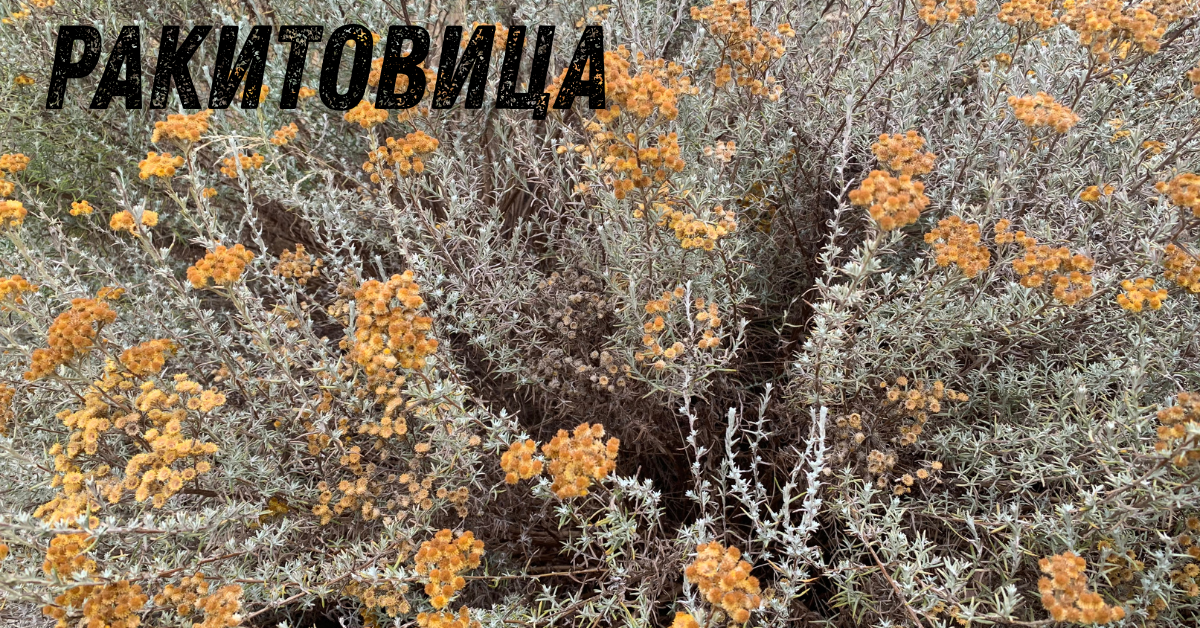
If you’re looking for a resilient and striking shrub to enhance your garden or landscape, consider ракитовица — a hardy, beautiful plant that thrives in tough conditions and lends a unique character to outdoor spaces. Its ability to tolerate salty or sandy soils, dry climates, and strong winds makes it a standout choice for landscaping, erosion control, and ornamental planting.
In this article, we’ll explore what ракитовица is, how to grow and care for it, the benefits it brings, and a few personal insights. It’s a shrub you might not have noticed before — but once you learn more about it, you’ll understand why it deserves a place in your garden.
From its origins in the Tamarix genus (commonly known as tamarisk or salt cedar) to its many practical uses, this article will guide you through everything you need to know about ракитовица.
What is ракитовица?
The plant behind the name
ракитовица refers to shrubs or small trees from the genus Tamarix, belonging to the family Tamaricaceae. These shrubs are often found along riverbanks, coastal areas, and dry landscapes.
They typically reach heights of 6 to 8 metres, though some species can grow even taller under the right conditions. Their fine, scale-like leaves, slender branches, and delicate flowers—often pink or rose in color—give them an airy, graceful appearance.
One of the most remarkable features of ракитовица is its adaptability. It can thrive in salty, sandy, or even slightly degraded soils where many other plants fail to grow. This resilience makes it ideal for both decorative and functional planting.
Why choose ракитовица for your garden?
Benefits and unique features
There are several strong reasons why ракитовица deserves a place in your garden or landscape:
- High tolerance to harsh conditions: ракитовица grows well in sandy, rocky, or saline soils, making it an ideal choice for coastal or arid environments.
- Low maintenance: Once established, it becomes drought-tolerant and needs minimal watering.
- Aesthetic value: The fine, feather-like foliage and soft pink blooms provide a beautiful visual contrast against greener shrubs and trees.
- Environmental benefits: It helps with soil stabilization, prevents erosion, and attracts pollinators such as bees.
- Versatility: ракитовица can serve as a windbreak, a screen plant, or part of a low-water landscaping design.
From personal experience, I planted ракитовица along the edge of a dry garden slope where the soil was poor and salty. While other plants struggled, ракитовица thrived and produced light pink blossoms each spring. By its second year, it had become one of the most admired shrubs in the garden.
How to plant and care for ракитовица
Planting location and soil
Choose a sunny spot for ракитовица, as it loves full sunlight. Although it tolerates a wide range of soils, it performs best in well-drained, sandy, or gravelly soil. Avoid areas where water tends to accumulate, as constant moisture may lead to root problems.
If your soil is dense or clay-heavy, mix in coarse sand or small stones to improve drainage. This simple step ensures healthy root growth and better resilience against drought.
Planting and early care
- Dig a hole twice as wide as the root ball.
- Place the plant so that the top of the root system is level with the soil surface.
- Fill the hole back with loosened soil and water it thoroughly after planting.
- During the first year, water regularly to help establish roots. After that, reduce watering frequency.
- Mulch around the base to retain moisture and control weeds, leaving a small gap near the stem to prevent rot.
Maintenance tips
ракитовица is known for being low-maintenance:
- Pruning: Trim only lightly after flowering to shape the plant or remove damaged branches.
- Fertilizing: It generally doesn’t require heavy feeding. A balanced fertilizer in early spring is enough.
- Watering: After establishment, water only during prolonged droughts.
- Pests and diseases: ракитовица is resistant to most pests and diseases due to its natural toughness.
Best conditions and where ракитовица thrives
Landscape uses and ideal settings
- Coastal or saline soils: ракитовица tolerates salt spray and sandy ground, making it perfect for seaside landscapes.
- Poor or sloped soils: Its root system helps stabilize soil and prevent erosion.
- Dry gardens or Mediterranean-style designs: Ideal for xeriscaping, where water conservation is key.
- Windbreaks and screens: Its fine branches and flexible stems make it an effective, natural wind barrier.
- Ornamental accent: In bloom, ракитовица adds a soft, romantic charm to gardens with its cascading pink flowers.
I once saw a row of ракитовица shrubs used as a living fence along a country road. The combination of pink blooms and silver-green foliage created a light, breezy atmosphere that blended beautifully with the landscape.
Timing and seasonal notes
Flowering usually begins in late spring and lasts for two to three weeks. The blossoms attract bees, butterflies, and other pollinators.
In autumn, some species may shed their tiny leaves, adding a gentle seasonal rhythm to your garden. ракитовица is frost-resistant in many climates, though it’s always wise to check the specific species’ hardiness zone before planting.
Common species and varieties of ракитовица
Here are a few popular and well-known types of ракитовица:
- Tamarix ramosissima (Branched ракитовица): A shrub up to 4 metres tall with green young shoots, small scale-like leaves, and pink to violet flowers. Commonly used for decorative planting and erosion control.
- Tamarix tetrandra (Four-stamen ракитовица): A small shrub or tree reaching 3–4 metres, with fine leaves and pale pink flowers. Well-suited for dry or coastal areas.
- Tamarix aphylla: A larger tree species that can reach up to 12 metres in height, often used in parks and larger landscapes for shade and wind protection.
Each species has its charm, but all share the same toughness and adaptability that define ракитовица as a group.
Two valuable insights I found, plus my experience
Insight 1: Soil and erosion control
One of the most useful qualities of ракитовица is its ability to stabilize soils. In sandy or erosion-prone areas, its root network binds the soil, reducing runoff and loss of topsoil.
In my garden, I planted ракитовица on a sloped area where rainwater used to wash away soil. Within two seasons, the problem was noticeably reduced, and the area stayed green and firm through heavy rains. This made ракитовица not just a decorative choice, but a practical one.
Insight 2: Pollinator-friendly and ornamental value
While many drought-tolerant shrubs focus on endurance over beauty, ракитовица combines both. Its blossoms attract bees and butterflies, creating a vibrant micro-ecosystem in the garden.
During the spring bloom, I often see honeybees busily moving among the flower clusters. It’s a reminder that this plant not only beautifies the space but also supports local biodiversity.
Potential limitations and what to watch for
Though ракитовица is easy to grow, a few points deserve attention:
- Avoid planting in consistently wet or waterlogged soil.
- Some species can grow taller than expected, so plan space accordingly.
- The foliage is fine and airy, so if you want dense coverage, mix ракитовица with other shrubs.
- Always select a species suited to your local climate zone.
With these small precautions, ракитовица can become one of the most rewarding shrubs in your landscape.
Summary and final thoughts
In summary, it is a plant that brings together resilience, beauty, and purpose. It thrives in tough environments — sandy soil, salty air, strong wind — yet still manages to bloom gracefully each spring.
Its advantages include drought resistance, soil protection, and visual appeal. Whether you’re designing a coastal garden, stabilizing a slope, or simply looking for a low-maintenance shrub with personality, it is an excellent choice.
Having grown it myself, I can say it’s one of the few plants that consistently surprises me with how well it performs. Even in dry summers when other plants wilt, ракитовица keeps its shape and subtle charm.
If you want a plant that combines strength with softness — one that supports pollinators, stabilizes soil, and asks for very little in return — ракитовица may be the perfect fit for you.
FAQs
Q: What does it mean?
A: It’s the Bulgarian name for shrubs belonging to the Tamarix genus, commonly known as tamarisk or salt cedar.
Q: Can it grow in poor soil?
A: Yes. It thrives in sandy, rocky, or saline soils where many plants cannot survive.
Q: Is it suitable for small gardens?
A: Absolutely. Smaller species like Tamarix tetrandra are perfect for compact spaces.
Q: Does it require frequent watering?
A: Not once it’s established. It’s highly drought-tolerant and thrives on minimal water.
Q: Is it an invasive species?
A: In some regions, certain Tamarix species can spread rapidly. Always check local planting recommendations before introducing it.